BERLIN | PART THREE OF THE STUDY VISIT TO GERMANY
From European Standards to Institutional Practice: Transparency as a Cornerstone of Democratic Accountability
Open institutions are the foundation of a functioning democracy, while access to information constitutes one of its most essential instruments for public scrutiny, accountability, and civic participation.
Guided by these principles, the delegation of the Agency for Protection of the Right to Public Information continued its study visit to the Federal Republic of Germany with a series of working meetings in Berlin, organised within the framework of the EU-funded Twinning Light Project, “Supporting Free Access to Information.”
The Berlin programme focused on an in-depth exchange of institutional expertise, comparative analysis of legislative frameworks, and the identification of European good practices aimed at strengthening transparency and safeguarding the right of access to information.
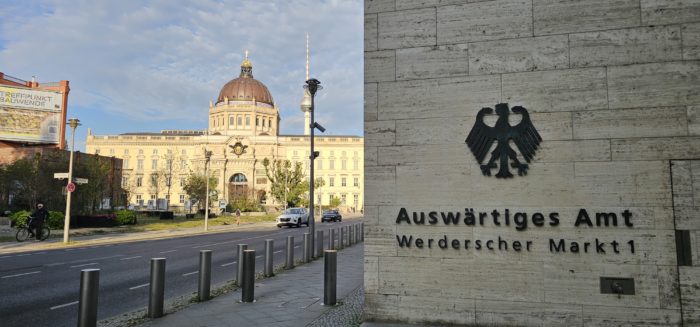
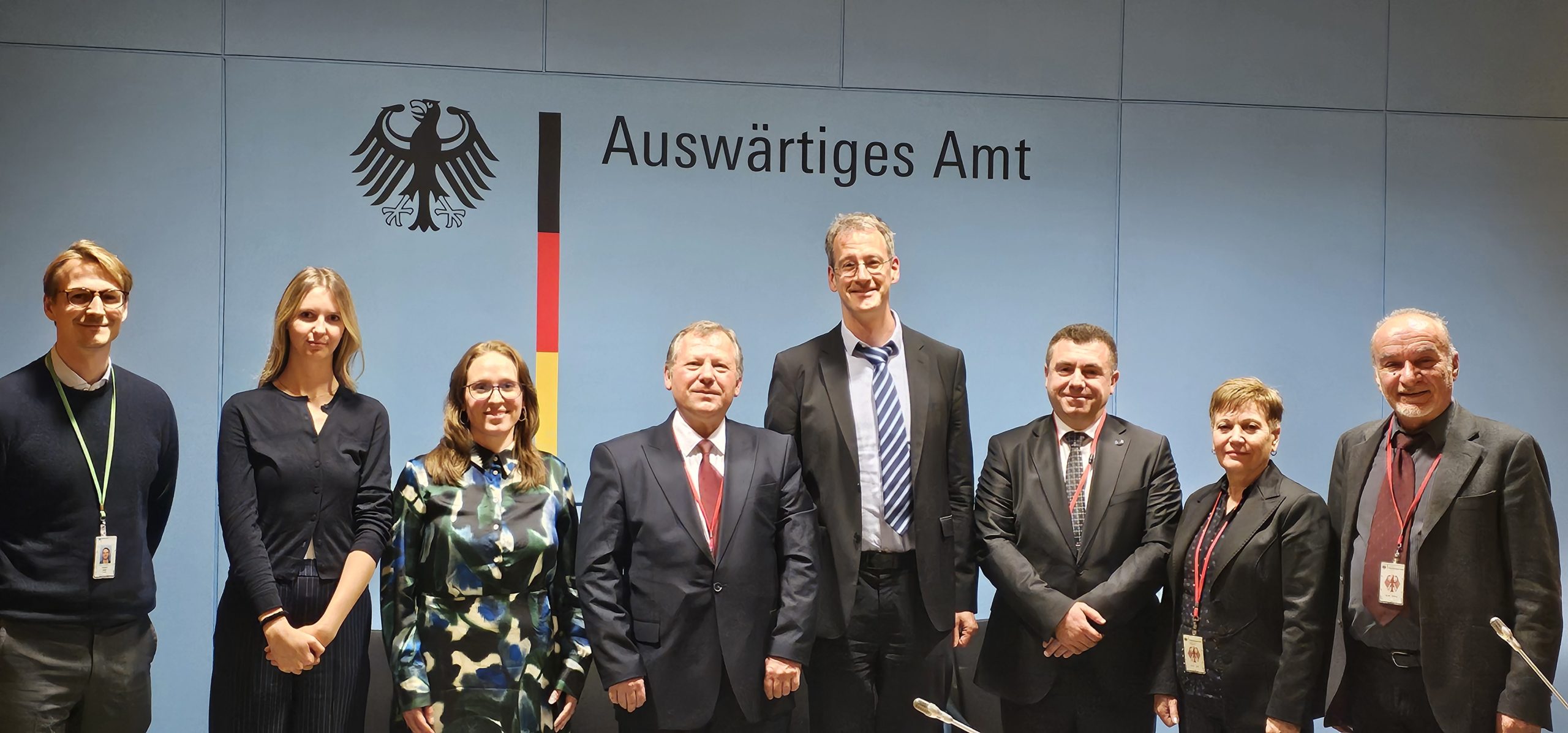
Federal Foreign Office: Transparency within the Federal System
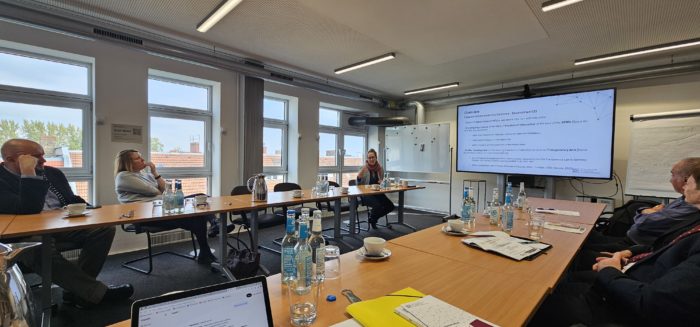
At the Federal Foreign Office, Mr Peter Adams and his colleagues presented Germany’s legal and institutional framework governing freedom of information, with particular emphasis on the processing of information requests by federal ministries and other public authorities.
The presentation of the statistical reporting system for 2025 provided an opportunity to explore the importance of systematic data collection and analysis as a foundation for monitoring legislative implementation, identifying administrative challenges, and enhancing institutional effectiveness.
The exchange of experiences facilitated a comparative assessment of the similarities and differences between the German and Macedonian legal systems, particularly regarding institutional mandates, administrative procedures, and statutory limitations on access to information.
Berlin Commissioner: Legal Certainty and Accessibility of Information at the Forefront
The working meeting with Ms Meike Kamp, Berlin Commissioner for Data Protection and Freedom of Information, and expert Ms Friederike Pöschl-Lazović focused on the practical mechanisms for exercising the right of access to information and ensuring institutional protection for applicants.
Particular attention was devoted to statutory deadlines, administrative fees, and the need to strike an appropriate balance between the efficient management of public resources and the effective exercise of citizens’ rights.
The discussions underscored the importance of clear procedures, predictable administrative decision-making, and consistent application of legislation as essential prerequisites for legal certainty and public trust in institutions.
Federal Commissioner (BfDI): From Formal Legal Protection to Preventive and Constructive Dispute Resolution
A particularly significant component of the visit was the meeting at the Office of the Federal Commissioner for Data Protection and Freedom of Information (BfDI) in Berlin, with Dr Martina Schlögel, Dr Michaela Schmitz, Ms Sarah Basic, Mr Johannes Otremba, and Ms Lisa Seidl.
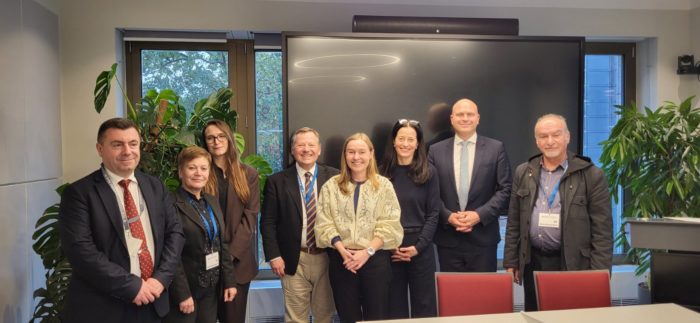
The discussions centred on the German model of institutional mediation, which places particular emphasis on advisory assistance, constructive communication, and the preventive resolution of misunderstandings between information applicants and public authorities holding the requested information.
The comparative dialogue highlighted the fundamental distinction between the German approach, primarily oriented towards mediation and recommendations, and the Macedonian institutional model, under which the Agency exercises statutory second-instance powers to adjudicate appeals.
These exchanges offered valuable perspectives on further strengthening the Agency’s advisory and preventive functions while fully preserving its statutory mandate and decision-making responsibilities.
From Knowledge Exchange to Sustainable Institutional Progress
The study visit to Berlin reaffirmed the value of European institutional cooperation as a catalyst for knowledge transfer, critical reflection on existing practices, and the identification of solutions adaptable to the national institutional context.
The expertise and insights gained provide a valuable foundation for further improving transparency-monitoring methodologies, the quality of institutional reporting, administrative efficiency, and advisory support for public information holders.
Within the broader context of European integration, such cooperation contributes to consolidating the principles of good governance, the rule of law, institutional accountability, and meaningful civic participation.
Ultimately, the true measure of transparency lies not merely in the volume of information made available, but in the capacity of institutions to transform the right to information into an effective, equally accessible, and consistently upheld democratic value.
Guided by this commitment, the Agency continues to invest in knowledge, international cooperation, and institutional development, contributing to the advancement of a more open, accountable, and transparent public administration.